Mastering Color Changes in Crochet: Clean, Seamless Techniques Every Crocheter Should Know
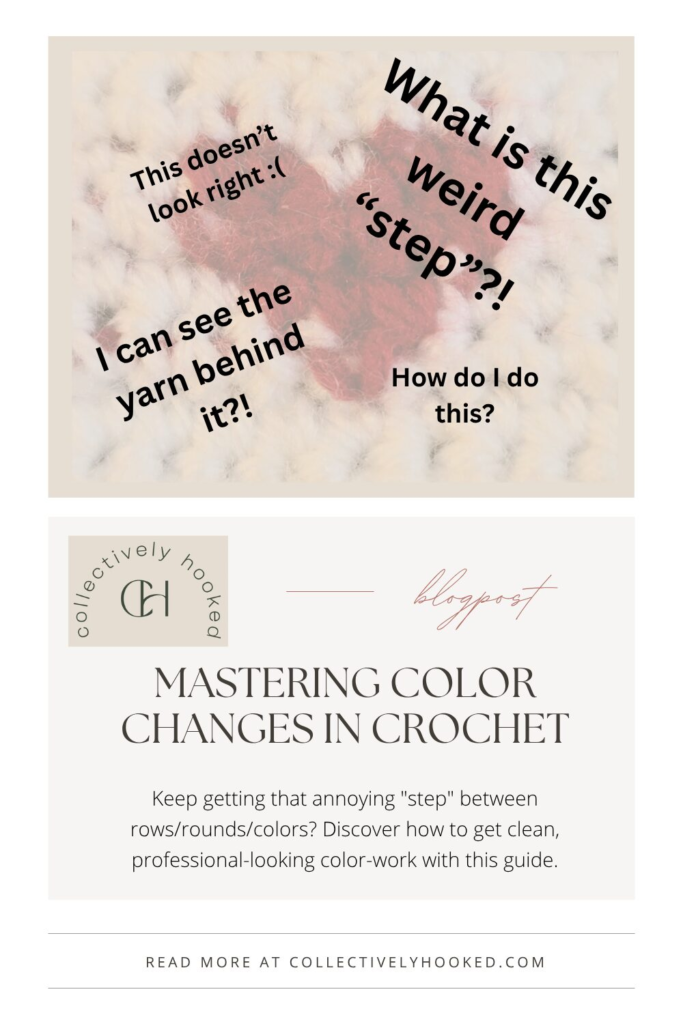
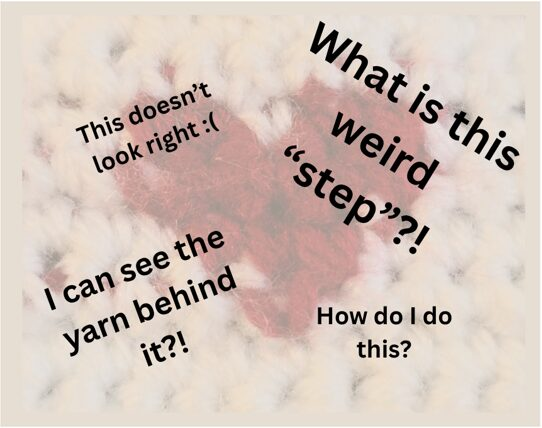
You've picked the perfect yarn colors for your next project. Maybe a vibrant striped blanket or a beanie with gorgeous crochet color changes. You start crocheting in the round, and everything looks great until you change colors. That’s when you notice there's this awkward spot where the rounds meet, creating a visible “step” in your stripes.
Sound familiar?
Color is one of the most powerful tools in crochet, but crochet color changes can feel tricky to some people. However, it can transform a simple pattern into something eye-catching, modern, and full of personality. But nothing disrupts a beautiful project faster than messy color transitions or obvious joins.
In this post, we’ll walk through two essential techniques for achieving polished, professional-looking color-work:
- Changing colors on the final pull-through of a stitch
- The invisible join for seamless finishing
Whether you're working stripes, color-work patterns, or granny squares, these methods will elevate your crochet instantly.
DISCLOSURE: This post contains affiliate links, meaning if you click on a product or service, and decide to purchase it, I may receive a commission at no extra cost to you. All recommended products and services are based on my experience with them. For more information, please read my Disclaimer.
Why Clean Crochet Color Changes Matter
When you incorporate crochet color changes the right way, your stitches stay consistent, your edges look crisp, and your finished piece appears intentional rather than improvised. Clean transitions are especially important for:
- Amigurumi
- Stripes and color-blocking
- Garments and accessories
- Motif-based projects
Obviously, if you are working on a project in rows, it's easy to change the color at the end of the row by fastening off your current color and starting the next row with the new color. So, let’s start with the method that I personally feel is the cleanest and use consistently for mid work changes.

Technique #1: Color Change on the Final Pull-Through
This is the gold standard for changing yarn colors mid-row or mid-round. Instead of finishing a stitch completely and then switching colors, you introduce the new yarn at the last possible moment.
How It Works
- Begin your stitch as normal with your current color.
- Work the stitch until you have the final two loops on your hook.
- Drop the old color.
- Yarn over with the new color.
- Pull through the last two loops to complete the stitch.
That’s it—you’ve just changed colors seamlessly.
Why This Works So Well
- The new color “belongs” to the next stitch visually
- Prevents stray flecks of the old color from showing
- Keeps the tops of stitches neat and consistent
Pro Tips
- Gently tug both yarns after the switch to tighten the transition
- Carry unused yarn neatly along the back if needed for color-work
- Practice tension control (this is key for smooth results)
Technique #2: The Invisible Join
When finishing a round, especially in projects worked in the round without turning, you may want to avoid the noticeable “step” created by a slip stitch join (especially if your next row or round is a color change). That’s where the invisible join comes in handy.
When to Use It
- Finishing the last round of a project
- Completing motifs like granny squares
- Any time you want a seamless, polished edge
How to Make an Invisible Join
- Fasten off your yarn on the last stitch, leaving a tail (about 4–6 inches).
- Thread the tail onto a yarn needle (or use your hook).
- Skip the first stitch of the round
- Insert the needle/hook under both loops of the next stitch (as if making a normal stitch).
- Pull the yarn through gently.
- Now insert the needle back into the center of the last stitch you made (where your yarn originally came from).
- Pull snug—but not tight—so it mimics a real stitch.
The Result
You’ll create a “fake” stitch that blends perfectly with the rest of the round, making the join virtually undetectable (you will need to tie off the fake stitch and possibly weave in the end depending on your project).
Combining Both Techniques
For truly professional results, use both methods together:
- Change colors using the final pull-through method
- Finish rounds with an invisible join
This combination is especially effective where every detail is visible.
Other Color Change Considerations
Here are some other color change options to keep these tips in mind during your projects:
Carrying Yarn vs Cutting
Carrying yarn up the side: If you're alternating between just 2-3 colors regularly, you can carry the unused yarn up the side of your work instead of cutting it each time. This reduces ends dramatically.
When to carry: Stripes that repeat every 1-4 rounds, limited color palette
When to cut: Wide stripes, many different colors, if carrying creates visible floats
Color Change Timing
Some crocheters change colors at the very last step of the final stitch of the old color (the final yarn over). This integrates the new color more smoothly.
Others prefer to complete the last stitch entirely, then start fresh with the new color.
Try both methods and see which gives you cleaner results for your tension and yarn combination.
Common Mistakes to Avoid
- Changing color too early or too late: Always switch on the final pull-through for clean edges.
- Pulling too tight on the invisible join: This can distort the stitch and make it stand out.
- Ignoring tension consistency: Uneven tension will make even the best technique look sloppy.

Practice Projects for Each Technique
To practice invisible joins:
- Granny square coasters (small, quick, builds skill)
- Simple striped dishcloth (flat practice before in-the-round)
- Single granny square blanket square (1 square = lots of practice)
To practice color change on the final pull through stripes:
- Simple beanie with 2-3 color stripes
- Small amigurumi ball with stripes
- Mug cozy with thin stripe pattern
Start small! Don't practice on that king-size blanket you've been planning.
Resources for Learning the Actual Technique
This post focuses on WHEN to use each technique rather than detailed HOW-TO instructions. Here's why: there are excellent video tutorials that show the hand movements much better than written instructions ever could.
Watch multiple tutorials! Different makers explain the technique in their own way, and one might click better for your learning style.
My Personal Approach
I choose the color change technique that works best for the project. Sometimes I have to try different techniques to figure this out. Most of the time I use the color change on the final pull-through when possible. It just looks really nice and polished to me.
The beautiful part is that you don't have to pick one technique forever. Match the method to the project. Leave a note for yourself later just in case you need a reminder to use that technique for that project type again.
Final Thoughts
Mastering color changes is one of those skills that instantly levels up your crochet. With just a bit of practice, these techniques will become second nature and your projects will look cleaner, more polished, and more intentional.
If you’re experimenting with color for the first time, start small: try stripes, simple motifs, or color-blocked swatches. Before long, you’ll be confidently incorporating bold color-work into all your projects.
Neither technique is “better”—they're tools for different situations. As an intermediate crocheter, having both techniques in your toolkit means you can confidently tackle any color-work project. You won't be limited by fear of that dreaded “step” in color anymore.
Start by learning whichever technique appeals to you more. Once you're comfortable with one, add the other to your skills. Before long, you'll instinctively know which method to reach for based on what you're making.
Your color-work is about to level up!
Your Turn
Which technique do you want to try first? Do you already use one of these methods? What's your biggest frustration with color changes? Share in the comments below or tag me on Instagram @collectivelyhooked with your color-work projects!
Ready to put these techniques to use? Check out these related posts:
- What Should I Crochet Next? – Find your next color-work project
- Stop Starting Projects You Never Finish – Plan your striped projects strategically
- Advanced Yarn Label Reading – Match your yarn to color-work projects
- Color Theory for Crocheters – A guide to help with color combinations for your next project
Happy hooking!