Reading Crochet Stitch Diagrams vs Written Patterns: When to Use Each
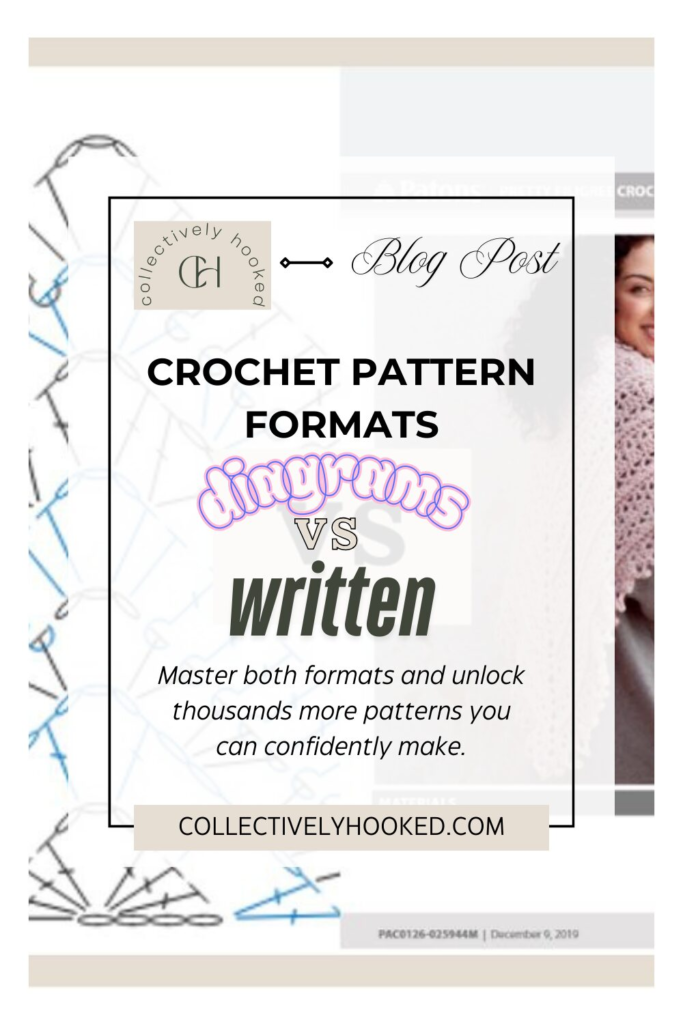
You're browsing through patterns online and find the perfect sweater design. Your heart sinks a little when you click through because it's only available as a stitch diagram, and you've been avoiding those. Or maybe you're the opposite and love diagrams but get frustrated when a pattern is only written out. Is there really a difference whether I go by a crochet diagram vs a written pattern?
As an intermediate crocheter, you don't have to stick to one or the other. Both crochet stitch diagrams and written patterns have their place, and knowing when to use each one will make you a more versatile and confident crocheter.
If you're new to reading diagrams at all, check out my post on How to Read Crochet Diagrams first. This post builds on those basics and helps you decide which format to reach for based on what you're making.
DISCLOSURE: This post contains affiliate links, meaning if you click on a product or service, and decide to purchase it, I may receive a commission at no extra cost to you. All recommended products and services are based on my experience with them. For more information, please read my Disclaimer.
The Real Difference Between Diagrams and Written Patterns
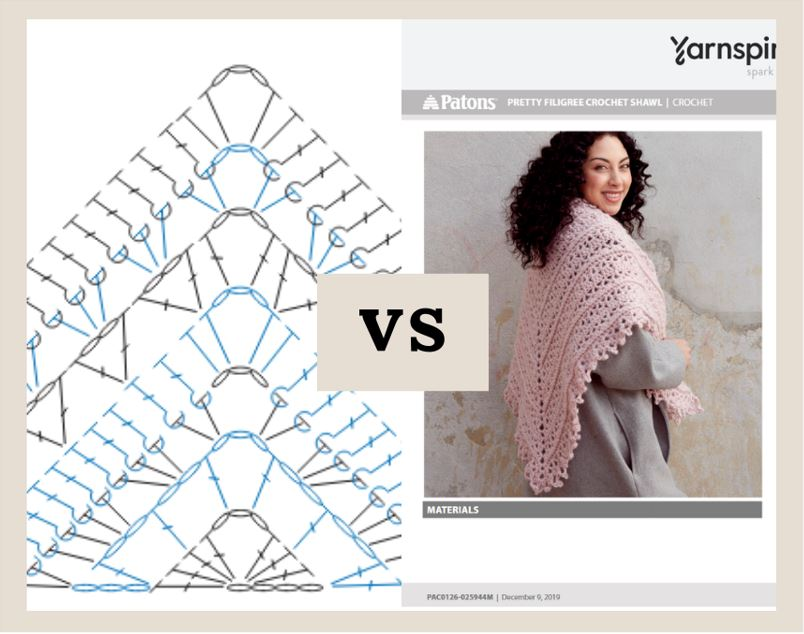
Written patterns use abbreviations and text instructions. You read them line by line, following along as you crochet.
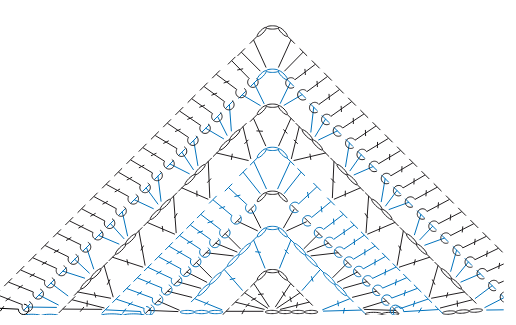
Stitch diagrams use symbols to show exactly where each stitch goes. They're visual—you can see the fabric structure at a quick glance.
It's not about which one is “better.” It's about which one works better for the specific project you're making.
When Stitch Diagrams Are Your Best Friend
Here are some examples where crochet stitch diagrams are often better or easier to use than written patterns.
Complex Stitch Patterns
If you're working on something with intricate stitch combinations (like a lace shawl with multiple stitch types in each row) diagrams are awesome. You can actually see where that double crochet cluster goes in relation to the chain spaces around it.
Diagrams are great for:
- Lace patterns with multiple stitch heights
- Intricate repeats (you can see the repeat at a glance)
- Color-work and tapestry crochet
- Doilies and motifs worked in rounds
- Any project where stitch placement is complex
When You're a Visual Learner
Some brains just work better with pictures. If you find yourself constantly re-reading written instructions trying to visualize what's happening, diagrams might feel better. You're literally seeing the fabric and pattern before you make it.
International Patterns
Stitch diagrams use standardized symbols that cross language barriers. That gorgeous Japanese (as an example) pattern you found? With a diagram and a symbol key, you can make it even if you don't speak Japanese. Written patterns would require translation.
Checking Your Work
Diagrams make it very easy to spot mistakes. You can hold up your work next to the diagram and see immediately if something's off.
When Written Patterns Are the Way to Go
Garments and Anything with Shaping
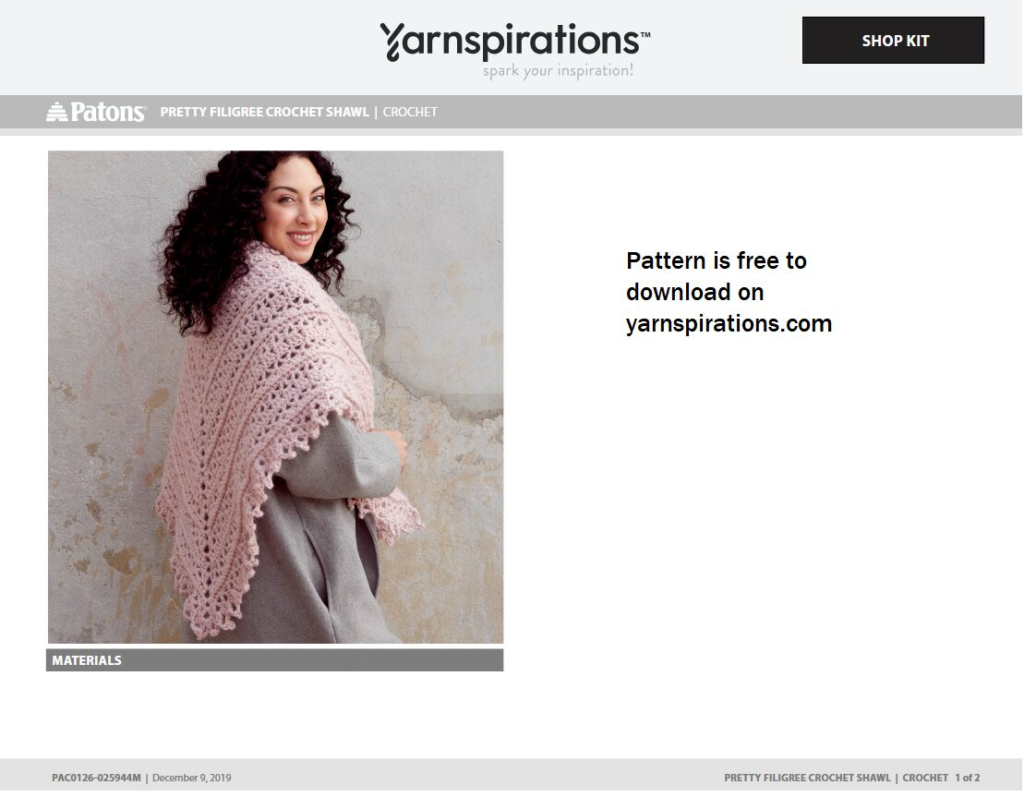
Written patterns are best at explaining construction details. When you're working on a sweater with decreases, armhole shaping, or size variations, written instructions are usually clearer.
Why? Diagrams struggle to show:
- Gradual shaping over many rows
- Size differences (a diagram for size small won't accurately represent size 2XL)
- Construction notes like “place marker” or “try on for fit”
Written patterns work best for:
- Sweaters, cardigans, and tops
- Fitted garments
- Projects with lots of sizing options
- Amigurumi (especially with shaping and assembly)
- Any project with special construction techniques
Projects Worked in Rows (Not Rounds)
While diagrams can show row-by-row projects, written patterns often feel more comfortable to use for blankets and scarves worked back and forth. You can mark off each row as you complete it, and there's less flipping back and forth.
When You Need Detailed Explanations
Some techniques just need words. Invisible joins, special finishing techniques, or tricky color changes are usually easier to understand when someone explains them step-by-step rather than trying to figure it out from a symbol.
If You're New to a Technique
Learning something new? Written patterns often include helpful notes like “be careful not to twist the chain” or “your stitch count should be 48 at this point.” Diagrams assume you know what you're doing.
The Secret Third Option: Using Both
Here's my favorite approach for complex projects: use both formats together when they're available.
Many modern patterns include both a written pattern and a stitch diagram. Use them together for a clearer picture:
- Read the written instructions for construction notes, special techniques, and any explanations
- Follow the diagram for the actual stitch placement
- Check the written pattern when you're confused about a symbol
- Use the diagram to verify your work looks right
This approach has its advantages. The written pattern might mention something important that the diagram doesn't show (like a subtle color change technique), while the diagram helps see patterns we'd miss in text alone.
Making the Switch: Tips for Each Format
If You Usually Use Written Patterns But Want to Try Diagrams:
- Start with simple motifs like granny squares
- Print the diagram and keep a symbol key handy
- Use a highlighter to mark which round/row you're on
- Check the diagram orientation (some are rotated to fit on the page)
- Remember that diagrams show the RIGHT side of the work unless otherwise noted
If You Love Diagrams But Need to Read Written Patterns:
- Read through the entire pattern before starting
- Highlight or circle the pattern repeat sections
- Use a ruler or piece of paper to track which line you're on
- Write out the repeat in your own words if it helps
- Mark off each row/round as you complete it
Pattern Features That Influence Your Choice
Choose diagrams when the pattern has:
- Intricate stitch combinations
- Symmetrical repeats
- Lots of visual interest
- Circular or radial construction
Choose written patterns when the pattern has:
- Multiple sizing options
- Complex shaping
- Detailed construction notes
- Sequential assembly steps
Look for both when the pattern has:
- Complex stitches AND detailed construction
Building Your Skills in Both Formats
The more comfortable you are with BOTH formats, the more patterns become available to you. Don't limit yourself to just one type of format.
Practice reading diagrams by:
- Working through simple motif collections
- Following along with YouTube videos that show diagrams on screen
- Challenging yourself with one diagram-only pattern
- Creating your own diagrams of simple patterns you know
Practice reading written patterns by:
- Working through patterns with detailed instructions
- Reading patterns out loud to yourself
- Translating written patterns into quick sketches
- Teaching someone else using a written pattern
My Personal Approach
I'll be honest, I used to avoid diagrams completely because they felt like a foreign language. But once I pushed through the initial learning curve, they opened up an entire world of patterns I'd been missing.
The beautiful thing about reaching an intermediate level of crochet is that you get to choose you preferred format and you're not limited in what you can make anymore.
What About Charted Patterns?
Charted patterns (common in color-work and tapestry crochet) are similar to diagrams but show color placement rather than stitch types. These are fantastic for projects like graphgans or mosaic crochet. They combine the visual nature of diagrams with the clarity of a grid.
Conclusion
Neither format is better than the other. Consider them as tools in your crochet toolkit.
Start expanding your comfort zone gradually. If you're a written-pattern person, try one small diagram-based pattern. If you're a diagram devotee, work through a written pattern. Each format you master multiplies the patterns you can confidently tackle.
Remember: every pattern designer made a choice about format based on what they thought would communicate their vision best. Sometimes you'll agree with that choice, sometimes you won't. And that's okay! The goal is to be comfortable enough with both that you can tackle whatever pattern catches your eye.
Your Turn
Are you team diagram, team written pattern, or somewhere in between? What was the project that helped you feel comfortable with your less-preferred format? Drop a comment below or tag me @collectivelyhooked on Instagram!
Ready to level up your pattern reading skills? Check out these related posts:
- How to Read Crochet Diagrams – Master the basics of symbol reading
- Beginner Written Crochet Pattern Walk-through – Decode written patterns step by step
- Tips on How to Read a Crochet Pattern – Essential pattern reading skills
Happy hooking!