How to Read Crochet Patterns: Your Complete Hub
Written patterns, stitch diagrams, abbreviations, and everything in between decoded for intermediate crocheters.
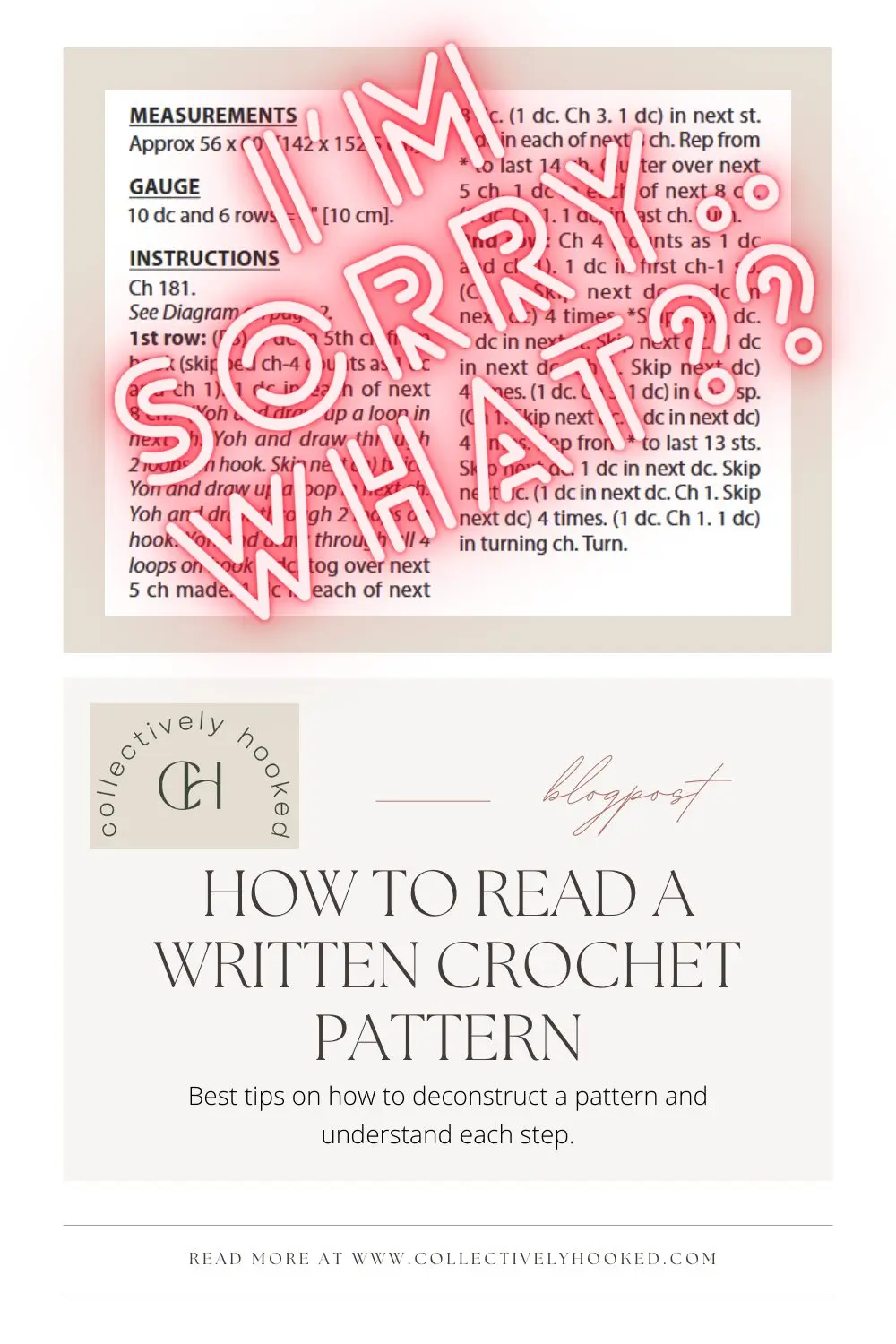
You pick up a pattern. It looks like someone sneezed on a keyboard. “Rep from * to * 3 times, turn, sk next 2 sts, work [dc, ch 2, dc] in next st…” And suddenly crocheting feels like reading a foreign language.
You're not alone. Pattern reading is one of the biggest pain points for intermediate crocheters. Not because the patterns are impossible, but because nobody ever sat down and walked you through how to decode them.
That's what this hub is for. Whether you're wrestling with written patterns, trying to understand a stitch diagram for the first time, or making the same frustrating mistakes mid-project, the posts here will help you finally feel fluent.
Start Here: The Two Cornerstones
These are the two most comprehensive pattern-reading posts on the blog. Start with whichever format trips you up most (written patterns or diagrams )and then read the other.
Written patterns
If you've ever stared at a written pattern and felt completely lost, this post is your foundation. It covers abbreviations, repeats, brackets, asterisks, and all the other conventions that make written patterns feel like code — because they kind of are.
Stitch diagrams
Diagrams are a completely different way of reading a pattern — visual, symbol-based, and surprisingly intuitive once you know the system. This post breaks down every common symbol and shows you how to follow a diagram from start to finish.
Going Deeper: Written Patterns
Once you've got the basics, these posts take you further — into the specific situations that trip up intermediate crocheters most often.
A real pattern, walked through line by line
Reading about patterns is one thing. Watching someone actually work through one is another. This post takes a complete beginner-level written pattern and walks through every single line, explaining what it means and why it's written that way.
The mistakes intermediate crocheters make
You know how to read a pattern — mostly. But there are specific misreading habits that intermediate crocheters fall into over and over, and they're sneaky enough that you might not even realize you're doing them. This post names them all.
Written vs. Diagrams: Which Should You Use?
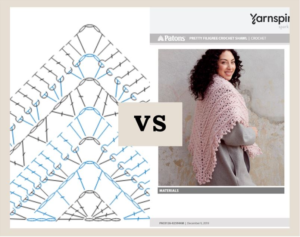
Both formats have real strengths — and real situations where they fall short. This post compares them honestly and helps you figure out when to reach for each one.
Short answer: written patterns are great for row-by-row work and complex stitch combinations; diagrams are better for lace, motifs, and anything with a lot of repeats. But the full post is worth reading — especially the section on using both together.
Know What You're Ready For
Pattern difficulty labels — beginner, intermediate, advanced — are notoriously inconsistent across designers. This post gives you a much better framework for evaluating whether a pattern is actually right for your current skill level before you commit to it.
- Know Your Crochet Level: Skills, Techniques & What Comes Next — includes a breakdown of which pattern types and techniques correspond to each level
Quick Reference: Common Pattern Abbreviations
A fast reference for the abbreviations you'll see most often in US-standard crochet patterns. (Note: UK terminology differs — sc in US = dc in UK, for example.)
- ch — chain
- sl st — slip stitch
- sc — single crochet
- hdc — half double crochet
- dc — double crochet
- tr — treble (triple) crochet
- sk — skip
- sp — space
- rep — repeat
- pm — place marker
- RS / WS — right side / wrong side
- t-ch — turning chain
- blo / flo — back loop only / front loop only
- tog — together (as in sc2tog = single crochet 2 together = decrease)
Note: Always check your pattern's abbreviation key — designers sometimes use non-standard shorthand, especially for specialty stitches.
Want to get right to it?!
Let's walk through a crochet pattern together!
More Coming to This Hub Soon!
Tip: Subscribe to the Collectively Hooked newsletter to be the first to know when new pattern guidance posts go live.
Explore the Other Hubs
Pattern reading connects to everything else. These hubs cover the skills and materials that make patterns come to life.
- Skills & Techniques — the stitches and methods you'll encounter inside patterns
- Yarn & Materials — choosing the right yarn for the pattern's requirements
- Mindset, Productivity & Project Management — how to actually finish the patterns you start
Latest Posts From This Category
Last updated: March 2026