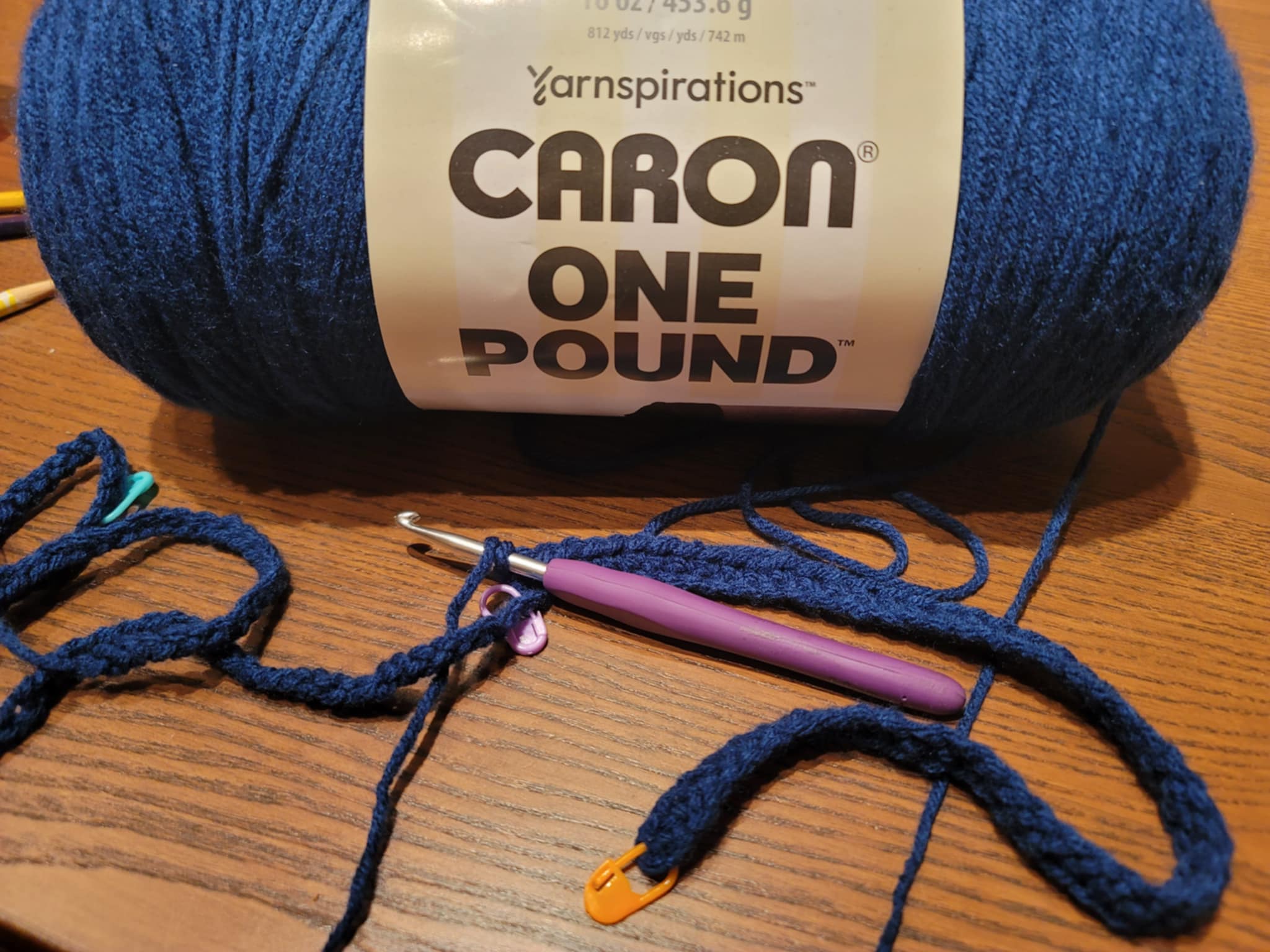
Yarn & Materials for Intermediate Crocheters: Your Complete Hub
Choose the right yarn, read the label, build your toolkit, and stop making expensive material mistakes.
Here's a scenario that probably sounds familiar: you fall in love with a pattern, grab whatever yarn seems close enough, spend weeks on the project, and end up with something that looks nothing like the photo. The stitches are stiff. The drape is off. The color pooled in a way you did not ask for.
Nine times out of ten, the culprit isn't your skill level. It's the materials.
Yarn and materials are the decisions you make before you ever pick up your hook, and they have more impact on your finished project than almost anything else. As an intermediate crocheter, understanding your materials is one of the fastest ways to level up the quality of everything you make.
This hub collects everything on Collectively Hooked about yarn, hooks, labels, and tools so you can make confident material choices every time.
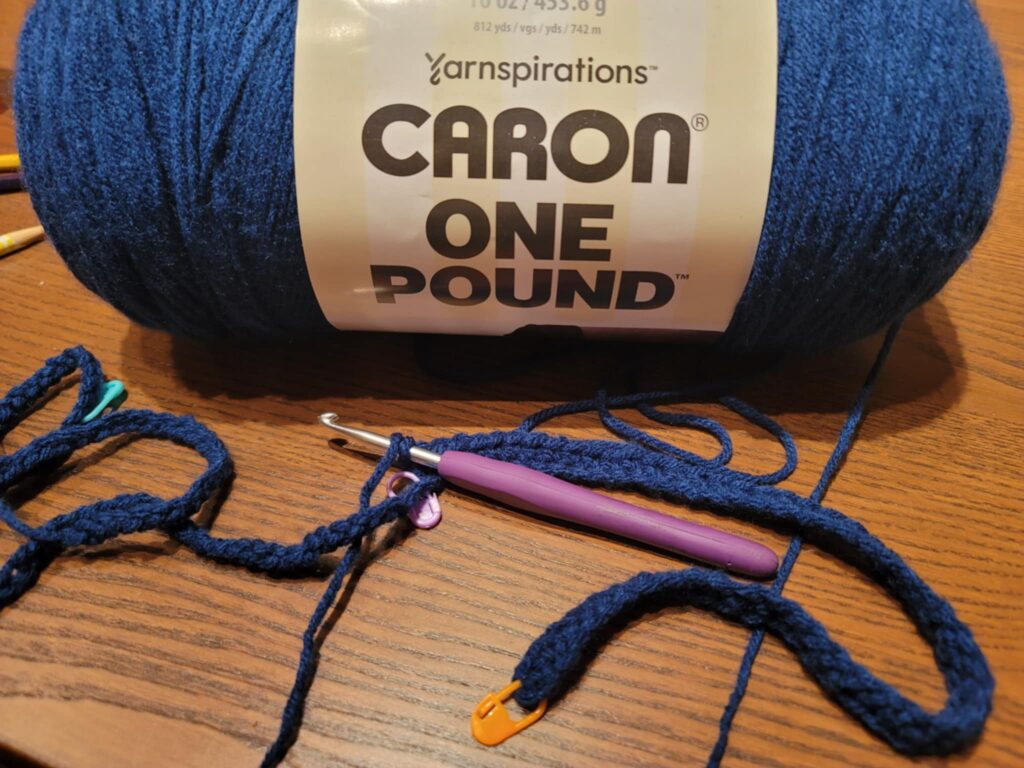
Start Here: The Yarn Cornerstone
If you read nothing else in this hub, read this. It's the most comprehensive guide to yarn on the blog — covering fiber types, weights, textures, and how to match yarn to your project's needs.
This post answers the questions that come up every time you stand in a yarn aisle (or scroll through an online shop) wondering what to grab. Bookmark it. You'll come back to it.
Reading Yarn Labels Like a Pro
Yarn labels contain a surprising amount of information — and most crocheters only read about half of it. These posts take you deeper into what the label is actually telling you.
Beyond the basics
You know how to find the weight and yardage. But what about twist direction, ply structure, dye lot nuances, and the care symbols that aren't obvious? This post covers the label information that intermediate crocheters need but rarely know to look for.
A real yarn, reviewed in depth
Sometimes the best way to understand materials is to see one examined up close. This post digs into Bernat Perfect Phasing yarn — the fiber content, the color behavior, how it works up, and whether it lives up to the hype.
Hooks & Tools
Your hook matters more than you might think — especially once you're working with finer yarns, longer projects, or techniques that put strain on your hands. These posts cover how to choose and build your hook collection thoughtfully.
Your first hook
If you're still using whatever came in a beginner kit, it might be time to upgrade. This post breaks down what to look for in a crochet hook and which types suit different yarn weights and working styles.
Building a full collection
You don't need every hook size on day one — but you do eventually need a range. This post is a practical guide to building a versatile hook collection without spending a fortune, including which sizes to prioritize and what to look for on a budget.
Managing Your Yarn Stash
Once you've been crocheting for a while, yarn accumulates. These posts help you use what you have, store it sensibly, and stop buying duplicates of things you already own.
Using up scraps
Every crocheter has a bag (or a box, or a whole shelf) of yarn scraps too small for a full project but too good to throw away. This post is full of creative ways to actually use them.
Stash organization
A well-organized stash means you can actually find what you have — which means you buy less yarn you don't need and use more of what you already do. This post covers practical organization approaches that work for real crochet spaces.
The yarn chicken problem
Running out of yarn mid-project is one of the most stressful things in crochet. This post is about playing yarn chicken strategically — how to estimate whether you'll make it, and what to do when you probably won't.
Caring for Your Finished Projects
You spent hours on that blanket. Don't let one trip through the wrong wash cycle ruin it. This post is the complete guide to washing, drying, and storing your finished crochet projects based on fiber content.
- Crochet Care Guide — includes a fiber-by-fiber breakdown of washing and care instructions
Making More Sustainable Choices
Yarn production has a real environmental footprint, and as crafters we have more choices than ever about the materials we use. This post looks at eco-friendly yarn options, what sustainability certifications actually mean, and small habits that add up.
Seasonal & Specialty Yarns
Some yarns are designed for specific seasons or occasions — and they come with quirks that regular yarn doesn't have. Before you commit to a holiday or specialty yarn, read this first.
- What You Need to Know About Holiday Yarns Before You Crochet — covers metallic, novelty, and seasonal yarn behaviors that will save you a headache
Quick Reference: Yarn Weight Guide
US standard yarn weights, from lightest to heaviest:
- 0 – Lace: Very fine; thread crochet, delicate shawls
- 1 – Super Fine (Fingering/Sock): Fine detail work, lightweight garments
- 2 – Fine (Sport): Baby items, lightweight accessories
- 3 – Light (DK): Garments, dishcloths, lighter blankets
- 4 – Medium (Worsted/Aran): The most common weight; blankets, hats, scarves
- 5 – Bulky: Quick projects, chunky blankets, cold-weather accessories
- 6 – Super Bulky: Very fast work, very thick fabric
- 7 – Jumbo: Arm knitting, extreme chunky projects
Note: Pattern yarn weight recommendations are your starting point — always swatch to confirm gauge before committing to a full project.
More Coming to This Hub Soon!
Tip: Subscribe to the Collectively Hooked newsletter to get notified when new materials posts go live.
Explore the Other Hubs
Great materials decisions work hand in hand with the rest of your crochet practice.
- Skills & Techniques — the techniques that make the most of your yarn choices
- Reading & Understanding Patterns — including how to decode yarn requirements in patterns
- Mindset, Productivity & Project Management — how to plan projects (and stash purchases) with intention
Latest Posts From This Category
Last updated: March 2026