
Fall Crochet Check-In: Realigning Your 2026 Goals
Back in March, we sat down and set some real, achievable crochet goals for the year. Maybe you picked a manageable quarterly list, or you just wrote down three things you actually wanted to make. Either way, you had a plan.
It’s now fall. Sweater weather is here, gift season is coming, and if you’re anything like most of us, your March goals feel like they were written by a more optimistic version of yourself. That’s just what happens when real life meets a plan made seven months ago. Oh well!
This is your permission slip to pause, take an honest look at where you actually are, and readjust before diving into fall’s high-motivation project season. If you haven’t already, check out my Setting Realistic Crochet Goals post for the original framework this check-in builds on.
DISCLOSURE: This post contains affiliate links, meaning if you click on a product or service, and decide to purchase it, I may receive a commission at no extra cost to you. All recommended products and services are based on my experience with them. For more information, please read my Disclaimer.
Why a Fall Check-In (Not Just a Year-End Review)
You might be wondering why this matters if you’re already planning to do a full “Year in Review” in December. Here’s the difference: a year-end review is about celebrating what happened and reflecting on the whole year. A fall check-in is a course-correction; it’s about adjusting your remaining time BEFORE it runs out.
Doing this now, rather than waiting until December, means you still have actual time left to act on what you find. There’s a real difference between “I didn’t reach my goal” (December realization, nothing to be done) and “I’m behind on my goal, and I have 3 months left to adjust” (September realization, still actionable).
Step 1: Revisit What You Actually Set Out to Do
Before you can recalibrate, you need to remember what you originally planned. This sounds obvious, but many of us set goals in March and never look at them again until we stumble across our notes in December.
Pull out your original goals. Whether they’re in a journal, a note on your phone, or scattered across a few Instagram captions, gather them in one place.
For each goal, ask:
- Did I finish this?
- Did I make partial progress?
- Did I not start it at all?
- Do I still even want this?
Be honest, not harsh. This isn’t about beating yourself up over a goal you didn’t touch. It’s just information.
Step 2: Categorize Your Goals
Once you’ve reviewed everything, sort your original goals into four categories.
Category 1: Completed
Celebrate these! Genuinely. Take a moment to acknowledge what you finished, even if it feels like old news by now. What made you complete this project(s)? Was it the project itself, the timing, your motivation level? Understanding your own patterns helps you set better goals going forward.
Category 2: In Progress, Still Want to Finish
These are your priority projects for the rest of the year.
Ask yourself:
- Realistically, how much time will finishing this take?
- Does that fit into my remaining fall/winter schedule?
- What’s stalling it, and is that fixable?
Category 3: Not Started, Still Interested
Life got busy, or something else took priority. That’s fine, but be honest about whether fall is actually the right time to continue these.
Ask yourself:
- Is this still relevant to what I want right now?
- Do I honestly have time for it before the year ends?
- Should I keep it on this year’s list, or purposely move it to 2027?
Category 4: No Longer Interested
It’s genuinely okay to let a goal go. Interests shift. What excited you in March might not excite you now, and that’s not a failure (it’s just being a person whose creative interests evolve).
Give yourself permission to cross these off entirely, without guilt. Removing a goal that no longer fits frees up mental space for goals that actually matter to you right now.
Step 3: Assess Your Remaining Time Realistically
Before setting any new expectations for the rest of the year, get honest about what’s actually in front of you.
Consider:
- Fall often brings back-to-school schedule disruptions
- Gift-making season adds real deadline pressure starting in around October/November
- Holiday obligations (travel, hosting, shopping) can reduce crafting time
- You likely have LESS uncommitted time in Q4 than you had in Q1 or Q2
This isn’t meant to discourage you. It’s meant to help you set goals that match your actual capacity for the rest of the year rather than set yourself up for failure.
Step 4: Set Your Q4 Priorities
Rather than trying to resurrect your entire original goal list, pick a focused, realistic set of priorities for the rest of the year.
A workable structure:
1-2 “finish it” projects: From your Category 2 (in progress, want to finish) list, choose the ones that matter most to you and are realistically achievable.
Your gift-making plan: If you’re making handmade gifts this year, this needs its own dedicated planning (check out Fall Project Planning for the full setup).
One “just for me” project: Don’t let the entire rest of the year become obligation-only crocheting. Protect at least one project that’s purely for your own enjoyment!
Anything to intentionally release: Explicitly decide what’s moving to next year’s list, so it stops quietly nagging at you in the background.

Step 5: Adjust Your Systems, Not Just Your Goals
Sometimes a goal doesn’t fail because it was unrealistic, it fails because the SYSTEM around it wasn’t supportive.
Ask yourself:
- Did I actually commit to crochet time in my schedule, or just hope it would happen?
- Was my project too complex for the time I actually had available?
- Did I have the right supplies/yarn ready when I wanted to start?
- Was I tracking progress in a way that kept me accountable, or did things just quietly stall?
If a goal stalled due to a systems issue (no dedicated time, no yarn on hand, no tracking method), fix the system before blaming the goal itself. The goal might have been perfectly reasonable but just needed better support around it.
What If You Didn’t Set Goals in the First Place?
Not everyone sets formal goals in the spring, and that’s completely fine too. If that’s you, this check-in works just as well as a starting point.
Ask yourself the same core questions, just without the “original goal” comparison:
- What have I made and enjoyed so far this year?
- What’s been sitting as a WIP that I still want to finish?
- What do I want the rest of my crochet year to look like?
You don’t need a March starting point to benefit from a fall gut-check!
The Bottom Line
A fall check-in isn’t about judging yourself against a plan made months ago under different circumstances. It’s a practical, forward-looking pause that lets you finish the year intentionally instead of drifting into December wondering what happened to your goals.
Revisit what you planned, sort it honestly, get realistic about your remaining time, and set a focused Q4 priority list. Then let go of the rest without guilt! There’s always next year for what didn’t fit into this one.
Your Turn
How are your 2026 crochet goals looking so far? What’s shifted since the spring? What’s your top priority for the rest of the year? Share your check-in in the comments!
Ready to finish the year intentionally? Check out these related posts:
- Setting Realistic Crochet Goals: The original goal-setting framework
- Fall Project Planning: Preparing for Cozy Season. Plan your gift-making and personal projects
- Managing Multiple WIPs: Keep your priority projects moving
Happy hooking!



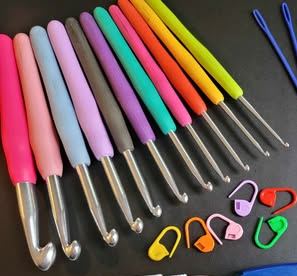


I love seeing crochet projects come together, especially when the cooler fall weather starts rolling in. There’s something so cozy and relaxing about working with yarn this time of year. I can’t wait to see how all of your projects turn out!
I absolutely loved this! These pointers are so helpful, relevant, and applicable far beyond crochet goals. I can already see how this approach could benefit me both at work and in my personal life.
Thank you for sharing it. I can use the same mindset for book reading, blog post creation, fitness goals, and even being more intentional about spending time with friends.
And by the way, you’ve now made me extremely interested in learning how to crochet!