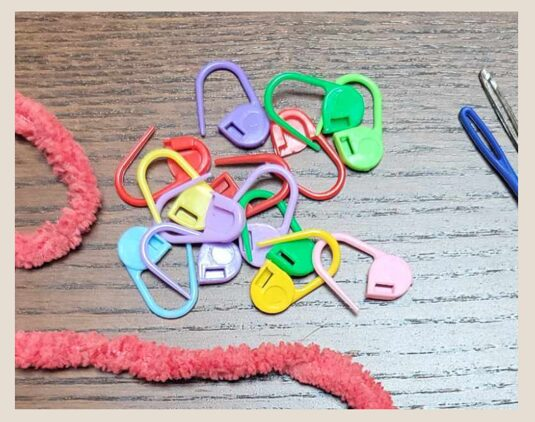
Creative Stitch Marker Uses: Advanced Techniques Every Crocheter Should Know
If you're anything like me, you probably started using stitch markers for one simple reason: keeping track of the beginning and end of a round. This is certainly their most common purpose but stitch markers have so many more helpful uses.
Over the years, I've discovered that these small, inexpensive tools can solve all sorts of crochet challenges. Whether you're working on a complex pattern, designing your own project, or simply trying to avoid mistakes, stitch markers can become one of the most versatile tools in your crochet kit.
If you only reach for stitch markers when working in the round, you might be missing out on some incredibly useful techniques.
Let's explore some creative ways to put stitch markers to work.
DISCLOSURE: This post contains affiliate links, meaning if you click on a product or service, and decide to purchase it, I may receive a commission at no extra cost to you. All recommended products and services are based on my experience with them. For more information, please read my Disclaimer.
Why Stitch Markers Are More Powerful Than You Think
Many crocheters view stitch markers as a simple counting aid, but they're really a great way to visually organize your project.
Whenever you need to remember something later, a stitch marker can act as a placeholder, reminder, or reference point.
Instead of relying on memory, you can let the markers do the work for you.
The result? Fewer mistakes, less frogging, and a smoother crochet experience.
Mark Pattern Repeats
One of my favorite advanced uses for stitch markers is marking pattern repeats.
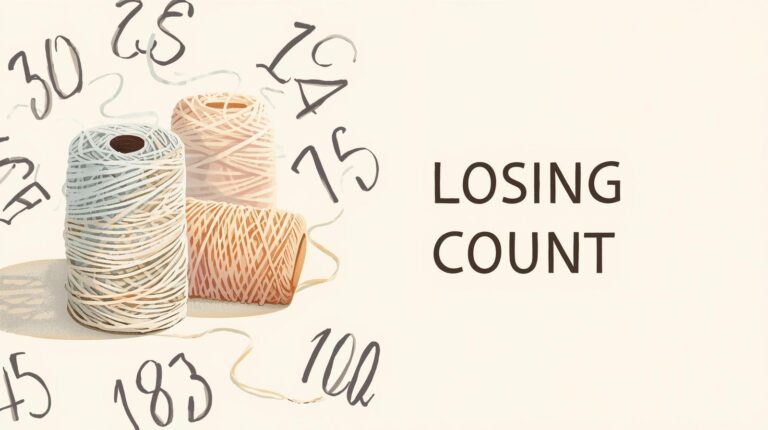
If you've ever worked a blanket or shawl with a repeating stitch sequence across a long row, you know how easy it is to lose your place or count.
Rather than counting dozens of stitches repeatedly, place a marker at the end of each repeat section.
This allows you to:
- Spot mistakes more quickly
- Count fewer stitches at a time
- Verify that each repeat is completed correctly
For larger projects, this technique can save you a surprising amount of time.
Track Increase and Decrease Sections
When shaping garments, amigurumi, or accessories, it can be difficult to remember exactly where increases and decreases should occur.
Placing markers directly in increase points creates visual guides for future rows.
This is especially helpful when:
- Designing your own patterns
- Modifying existing patterns
- Working complex shaping sections
Instead of constantly referring back to the instructions, you'll have clear visual cues built into your project.
Divide Large Projects into Sections
Large blankets can sometimes feel overwhelming.
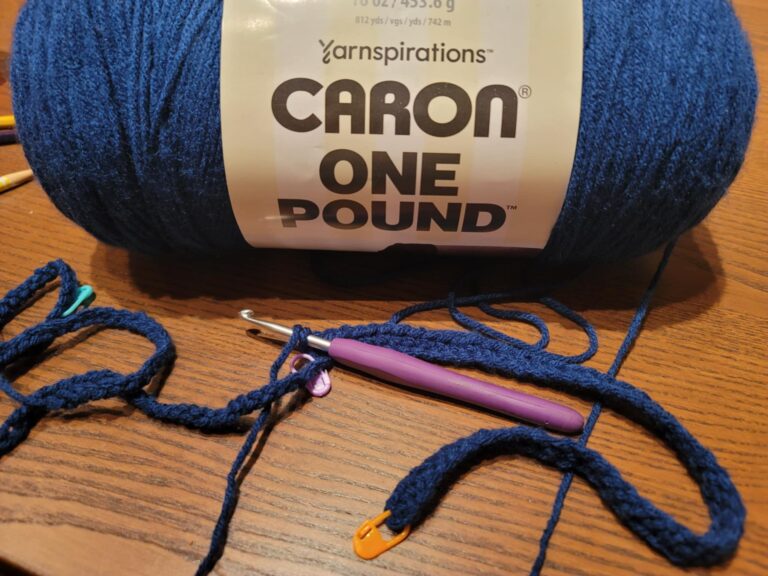
One trick I like is using stitch markers to divide long foundation rows into manageable sections.
For example, if a row contains 240 stitches, place a marker every 20 or 30 stitches.
If your stitch count is off later, you'll know exactly where to start troubleshooting rather than recounting the entire row from the beginning.
It's a simple way to prevent a lot of frustration.
Mark Important Rows
Have you ever reached a specific row in a project and thought, “I should remember this point”? Maybe it's where:
- Sleeve shaping begins
- A color change occurs
- A lace pattern starts
- A border section will be added later
Instead of writing yourself a note and hoping you remember, place a stitch marker directly in the row.
When you revisit the project later, the marker instantly identifies that important location.

Use Different Colors for Different Meanings
Not all stitch markers need to serve the same purpose. You can get creative and assign meanings to specific colors. For example you could do something like this:
- Green = increase locations
- Blue = pattern repeats
- Yellow = beginning of round
- Red = important reference points
This system becomes particularly useful on larger or more complex projects where multiple markers are in use simultaneously.
A quick glance can tell you exactly what each marker represents.
Create Temporary Measuring Points
When checking the length of scarves, garments, or blankets, stitch markers can serve as temporary measuring markers.
Suppose your pattern calls for 18 inches before shaping begins.
Place a marker at the point where you started measuring. As you work, you'll have a clear visual reference for your progress without repeatedly measuring from the beginning.
This can be especially useful for wearable projects where precise sizing matters.
Mark Future Attachment Locations
Many crochet projects require pieces to be joined later.
Think about projects like:
- Amigurumi limbs
- Pockets
- Appliqués
- Handles
- Decorative embellishments
Instead of guessing placement when assembly time arrives, use stitch markers to identify attachment points as you crochet.
This can help maintain symmetry and reduce assembly mistakes.
Keep Track of Your Right Side
Some stitch patterns look nearly identical on both sides, making it easy to lose track of which side should face outward.
A single stitch marker placed on the right side of the project can eliminate confusion.
This is particularly helpful for garments, textured blankets, and projects with shaping instructions that depend on row orientation.
Organize Multiple Works in Progress
If you're juggling several projects at once, stitch markers can help you stay organized.
Some crocheters use colored markers to indicate:
- Hook size needed
- Project priority
- Pattern section completed
You can even attach a marker to a yarn tail as a reminder of where you stopped.
It's a simple habit that makes returning to a paused project much easier.
Don't Be Afraid to Use More Markers
One of the most common mistakes I see crocheters make is trying to use too few stitch markers.
They're inexpensive, reusable, and designed to make crocheting easier. If adding ten stitch markers helps you avoid ripping out several rows later, they're doing exactly what they're supposed to do so just do it! I'm not ashamed to admit that I can use anything from 2 to 20+ stitch markers for any given project! It just depend on whether my brain is on task with me that day!
Think of them as tools for reducing mental workload so you can focus more on enjoying the creative process.
Final Thoughts
Stitch markers may be small, but they're one of the most versatile tools available to crocheters.
Beyond marking the beginning of a round, they can help track shaping, identify pattern repeats, organize large projects, mark future attachment points, and simplify complex patterns.
The next time you reach for a stitch marker, challenge yourself to think beyond the basics. You may discover that a handful of markers can save time, improve accuracy, and make your crochet projects much more enjoyable.
Sometimes the simplest tools turn out to be the most powerful.
Your Turn
What do you currently use stitch markers for? Does that work for you or do you feel yourself needing to come up with better uses for them? Share in the comments below or tag me on Instagram @collectivelyhooked with your stitch marker uses!
Ready learn more crochet techniques? Check out these related posts:
- Basic Supplies Every New Crocheter Should Have
- When To Splurge vs. Save (on crochet related supplies)
- Ultimate Guide To Crochet Techniques
- How to Get Better at Crochet (Without Losing Your Mind)
Happy hooking!

I depend in stitch markers so much. Especially with knitting. My projects with knitting are complicated and I need to do so much counting because of the patterns. I didnt think about using them to mark pattern rows and stitches in crochet. Totally overlooked that. Thanks for making me see the light on this after all these years. Wow! I guess I had been doing it too long and it became habit.
Thanks for reading 🙂 There really are so many different ways to use stitch markers, so whatever works best for you is a win!
I use them all of the time because my family keeps interrupting me LOL!