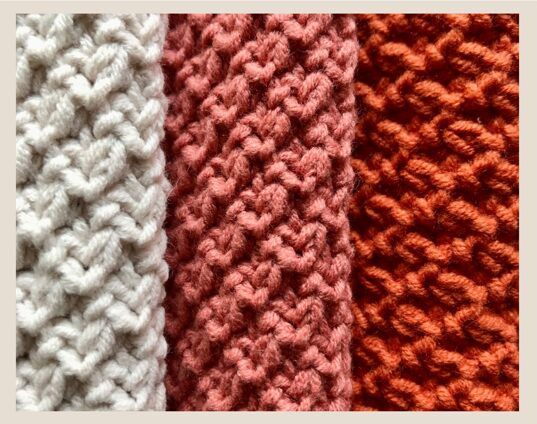
Creating Your Crochet Stitch Library
Have you ever come across a crochet stitch that you loved, only to forget what it was called six months later? *Facepalm* This happens to me more often than I'd like to admit!
One of the challenges of becoming an intermediate crocheter is that your stitch vocabulary starts growing quickly. Suddenly, you're experimenting with moss stitch, linked stitches, cable techniques, and all sorts of textured combinations. It's exciting, but it can also become difficult to keep track of what you've learned.
That's where a personal crochet stitch library comes in. A crochet stitch library is simply a collection of your favorite or most used (but also most forgotten) stitches, organized in a way that makes them easy to reference when planning future projects. Think of it as your own customized crochet encyclopedia. Instead of searching the internet every time you need inspiration (or a chunky stitch reference book), you'll have a curated collection of stitches that you've already tested and enjoyed.
DISCLOSURE: This post contains affiliate links, meaning if you click on a product or service, and decide to purchase it, I may receive a commission at no extra cost to you. All recommended products and services are based on my experience with them. For more information, please read my Disclaimer.
Why Create a Crochet Stitch Library?
When I first started crocheting, I relied entirely on patterns telling me what stitches to use. If I saw a stitch I liked, I used it for that project and moved on.
As my skills grew, I realized I wanted to design simple projects, modify patterns, and experiment with textures. The problem was that I couldn't always remember which stitch created which effect.
A stitch library solves that problem. It allows you to:
- Compare different stitch textures side-by-side
- Remember stitches you've already learned
- Identify stitches that work well for specific projects
- Build confidence when creating your own designs
- Find inspiration when you're not sure what to crochet next
Over time, your stitch library becomes a valuable resource that reflects your personal crochet style.
What to Include in Your Stitch Library
The beauty of a stitch library is that it can be as simple or detailed as you want.
At a minimum, I recommend including:
The Stitch Name
This may sound obvious, but write it down. Many stitch patterns have similar names, and you'll thank yourself later.
A Small Swatch
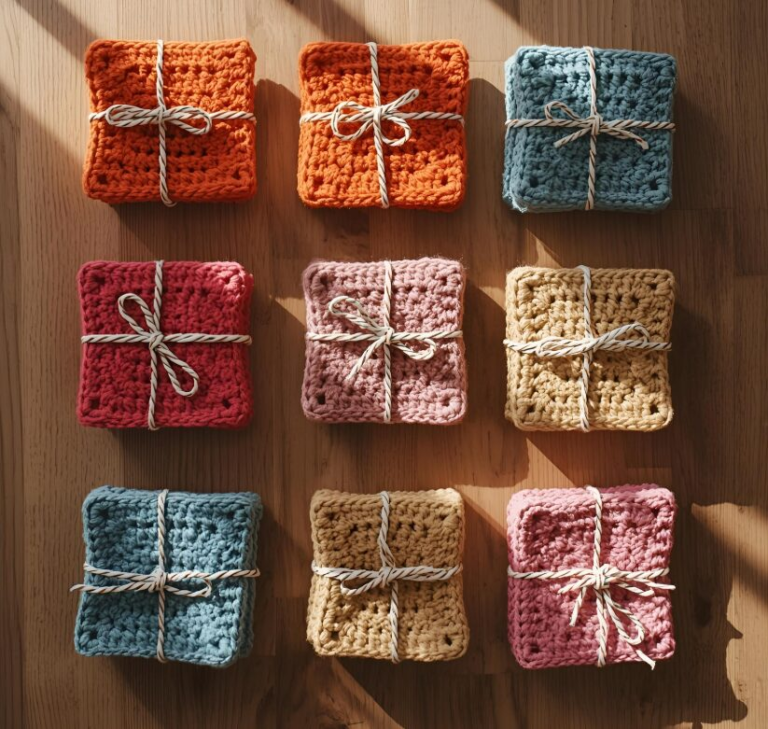
Create a sample square for each stitch. Even a 4-inch swatch can tell you a lot about how a stitch behaves. Seeing the actual fabric is often more useful than looking at a photo online.
Hook Size and Yarn Used
The same stitch can look dramatically different depending on the yarn and hook combination. Recording these details will help you recreate results later.
Notes About the Stitch
Include observations such as:
- Is it easy to use?
- Does it use a lot of yarn?
- Is it dense or lightweight?
- Does it work best for blankets, garments, or accessories?
- Is counting stitches difficult?
These notes become incredibly helpful when planning future projects.
Digital vs. Physical Libraries
There isn't one right way to organize your stitch library.
Some crocheters prefer a physical binder with swatches attached to index cards or notebook pages. This option lets you touch and compare textures directly.
Others prefer a digital approach using spreadsheets, note-taking apps, or project management tools.
The best system is the one you'll actually maintain.
If you're constantly on your phone or computer, a digital library may be ideal. If you enjoy flipping through physical samples while planning projects, a binder might be more useful.
You can even combine both methods by keeping physical swatches and storing notes digitally.
Organizing Your Stitches
As your collection grows, organization becomes important. Consider grouping stitches by category. Here are some examples:
Basic Stitches
- Single Crochet
- Half Double Crochet
- Double Crochet
- Treble Crochet
Textured Stitches
- Waffle Stitch
- Basketweave Stitch
- Puff Stitch
- Bobble Stitch
Lightweight and Openwork Stitches
- Mesh Stitch
- V-Stitch
- Filet Crochet Patterns
Colorwork Techniques
- Mosaic Crochet
- Tapestry Crochet
- Planned Pooling Samples
When similar stitches are grouped together, it's easier to compare them and decide which one fits your project.

Make Notes After Every New Technique
One habit that has helped me tremendously is documenting stitches immediately after learning them.
The details are fresh in your mind, and you're more likely to remember what you liked (or didn't like) about the experience.
If you wait until later, you'll probably remember that the stitch looked nice but forget whether it required constant counting or used an entire skein of yarn in record time.
Your Library Will Evolve With You
One of the most interesting things about maintaining a stitch library is seeing how your preferences change over time.
The stitches I loved as a beginner aren't always the ones I reach for now. As I've gained experience, I've become more interested in texture and how stitches interact with different yarns.
Your library becomes a snapshot of your crochet journey. It's not just a collection of stitches but more of a record of the techniques you've tried and the creative directions you've taken along the way.
Final Thoughts
Creating a crochet stitch library might sound like extra work, but it's one of the most useful resources you can build as a crocheter.
Instead of relying on memory or endlessly scrolling through saved posts and bookmarks, you'll have your own personalized reference guide filled with stitches you already know and love.
Start small. Add one swatch/stitch at a time. Before long, you'll have a collection that makes project planning easier, sparks new ideas, and helps you continue growing your crochet skills.
And who knows? You may discover that your next favorite project starts with a stitch sample you made months ago.
Your Turn
Do you already have your own stitch library? Did you go digital, paper, or a mix of both? Share in the comments below or tag me on Instagram @collectivelyhooked
Ready to learn more? Check out these related posts:
Happy hooking!


Love this. Yes, i have a stitch library. Mine is paper with sample swatches. The only stitch not used is the treble stitch. I never found a use for it.
That’s awesome that you already have one! It really is more helpful than having a bunch of sticky notes everywhere.
I never would have thought to create a personal crochet stitch library, but that’s such a smart idea. I can see how having all your favorite stitches in one place would save so much time on future projects. So creative!
I really is! Especially if there is a stitch you really like but don’t use all the time 🙂