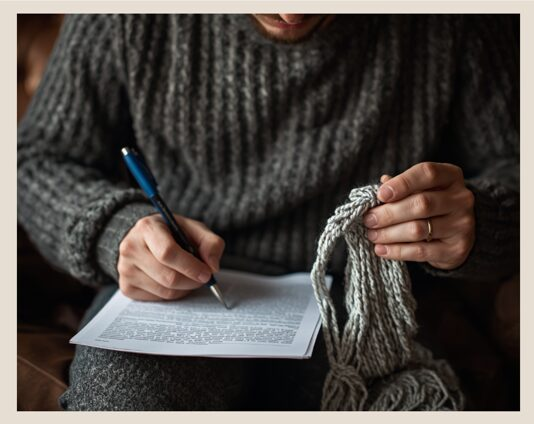
Crochet Pattern Testing 101: What To Expect When Testing Crochet Patterns
If you’ve spent any amount of time in crochet communities or when following online pattern designers, you’ve probably seen designers asking for volunteers for pattern testing. Maybe you’ve been curious about trying it yourself but weren’t totally sure what test crocheting actually involves.
Is it stressful?
Do you need to be an expert?
What happens if you find mistakes?
And why do designers need testers in the first place?
The good news is that test crocheting is usually much more approachable than it sounds. It can also be one of the best ways to improve your crochet skills, try new techniques, and become more involved in the crochet community.
So if you’ve ever wondered what to expect from crochet pattern testing, here’s a beginner-friendly breakdown of how it all works.
DISCLOSURE: This post contains affiliate links, meaning if you click on a product or service, and decide to purchase it, I may receive a commission at no extra cost to you. All recommended products and services are based on my experience with them. For more information, please read my Disclaimer.
What Is Test Crocheting?
Test crocheting is when crocheters make a pattern before it officially gets released to the public. The goal is to help the designer catch issues and improve the pattern.
A tester might help identify:
- confusing instructions
- stitch count errors
- sizing issues
- awkward construction steps
- formatting problems
- missing information
- typos or abbreviation inconsistencies
Think of it as quality control for crochet patterns.
Designers spend a huge amount of time creating patterns, but once someone else actually follows the instructions, little problems often show up that weren’t obvious during the design process.
That’s where testers come in.
You Don’t Need To Be “Perfect” At Crochet
One of the biggest misconceptions about test crocheting is that “you have to be an advanced crocheter with flawless tension and years of experience”. Nope.
Not true.
Many designers actually want testers with different skill levels because it helps them understand whether the pattern is easy to follow for a wider audience.
What matters more is:
- being able to read patterns carefully
- communicating clearly
- meeting deadlines
- giving honest feedback
You do not need to crochet at lightning speed or produce a magazine-perfect final project.
What Testers Are Usually Expected To Do
Every designer runs tests differently, but most pattern tests involve a few common expectations.
1. Finish The Project By A Deadline
Most tests have a time frame attached to them. Depending on the project size, this could be anywhere from a few days to several weeks.
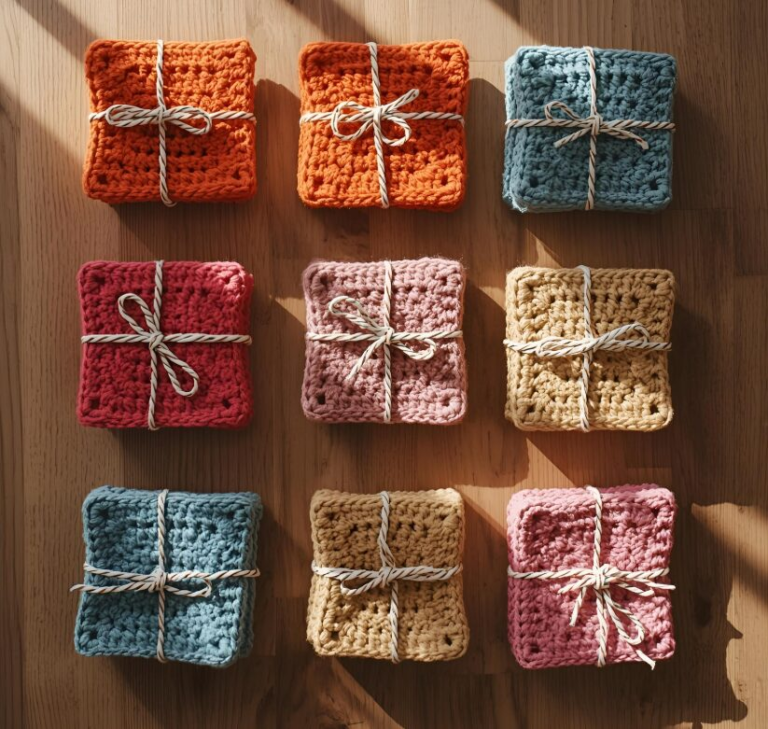
Smaller projects like hats, amigurumi, or coasters usually have shorter deadlines.
Sweaters and blankets? Those tend to require a little more time to craft.
Before applying to a test, it’s important to realistically ask yourself:
“Do I actually have time for this right now?”
We all know how quickly crochet projects pile up and if you take on a project you know you cannot complete on time, its not fair for both you nor the designer.
2. Follow The Pattern Exactly
This part can be surprisingly difficult for experienced crocheters because we naturally want to “fix” things or freestyle parts of the pattern.
But when testing, the goal is to follow the instructions as written so you can identify where problems happen.
If something feels confusing, awkward, or unclear, that feedback is valuable to the designer.
3. Take Notes Along The Way
Many testers keep notes while crocheting because it’s easy to forget issues later.
Some common things testers report:
- stitch counts not matching
- unclear wording
- missing rows
- confusing repeats
- areas where photos would help
- sizing concerns
- yarn usage differences
Even small observations can help improve the final pattern.
4. Share Photos Of Your Finished Project
Designers typically ask testers to submit photos at the end of the test.
These photos might be used:
- on social media
- in pattern listings
- for promotional graphics
- on websites or blogs
Some designers also ask permission before using tester photos publicly, while others include photo usage details upfront in the tester call details.
It’s always a good idea to read the testing requirements carefully before joining.

What Test Crocheting Is Not
Test crocheting is NOT:
- getting unlimited free patterns forever
- ghosting halfway through the project
- rewriting the pattern into your preferred style
- competing with other testers
A good test environment should feel collaborative, not intimidating. Also, the designer wants honest feedback, not perfection. If you decide to test a pattern for a designer, remember that putting time and effort into the testing process also shows respect professionalism to the designer (so if you like their patterns and you complete the testing process in it’s entirety, they may ask you to test for them again!)
Why Test Crocheting Can Actually Improve Your Skills
One of the underrated benefits of testing patterns is how much it sharpens your crochet skills.
You start paying closer attention to:
- stitch placement
- pattern wording
- construction techniques
- sizing consistency
- gauge accuracy
- finishing details
After testing a few patterns, many crocheters find that they become much more confident reading patterns in general.
You also start noticing how patterns are structured behind the scenes, which can be incredibly helpful if you ever want to design patterns yourself someday.
It’s Okay If Testing Isn’t For You
Some crocheters absolutely love testing patterns. Others try it once and realize they prefer crocheting without deadlines or structured feedback.
Both are perfectly fine.
Test crocheting works best when you enjoy the process of collaboration and problem-solving, not just the finished object.
If strict timelines take the fun out of crochet for you, there’s nothing wrong with sticking to casual projects instead.
My Personal Experience With Testers
All of my paid patterns in the Collectively Hooked Shop have been tested by multiple testers. I take pride in knowing that I did my best (and had others check my work) when creating my patterns before they become available to the public. A lot of time and effort is put into the design process (as do other designers who care about the quality of their work) and I want to make sure crocheters who purchase my patterns get their money’s worth!
Tips For Your First Pattern Test
If you’re thinking about joining your first crochet test, here are a few things that help:
- Start with a smaller project
- Choose a designer whose style you already enjoy
- Read all testing requirements carefully
- Be honest about your availability
- Communicate early if problems come up
- Don’t be afraid to ask questions
Most designers genuinely appreciate testers who communicate clearly and participate thoughtfully.
Final Thoughts
Test crocheting gives you a behind-the-scenes look at how crochet patterns come together before release. It can help you grow your skills, connect with designers, and contribute to making patterns easier for everyone to follow.
And honestly? It can also make you appreciate just how much work goes into writing a good crochet pattern.
The next time you see a tester call, you might feel a little more prepared to jump in and give it a try!
Ready to expand your pattern literacy and skill development? Check out these related posts:
- How To Read Crochet Diagrams
- Know Your Crochet Level
- Understanding Gauge Beyond the Swatch
- Oops, All Mistakes
Happy hooking!
I’ve never even heard of this. This would be a goal I would look forward to!!
It happens a lot more than people think! I’ve had some fantastic testers, so I wanted to share more about testing if others have ever thought to do it or wanted to know more. Thanks for reading!
I didn’t even know crocheters used testers. This was very cool to learn about!
Designers who really care about the quality of the patterns they write often have their patterns tested first. Just like anything else, a second set of eyes can help you spot things you didn’t think of! I’ve had some fantastic testers while writing patterns but I also know it’s not for everyone 🙂
This is interesting! I have never heard of this. My grandmother used to crochet/knit all the time & I dont remember her ever saying crochet pattern testing, unless she just did it. Lol Learn something new every day!
Not everyone does pattern testing, but many designers who sell their patterns often have it tested by others. It’s really helpful in making the patterns clear for crocheters with a variety of crochet skills.